Property crime can fall while high-dollar commercial theft remains a serious problem
The FBI reported that estimated property crime declined nationally in 2025. That broad trend is encouraging, but it does not mean every commercial threat is moving in the same direction. Retailers and Arizona prosecutors are still dealing with repeat offenders, organized retail theft, resale networks and cases involving substantial losses.
The National Retail Federation's 2026 research reported that 50% of surveyed retailers saw increased repeat-offender activity, 40% reported more organized-retail-crime-related events, and 37% reported increases in walkout or pushout methods involving large quantities of merchandise. In other words, basic shoplifting can stabilize while organized and repeat theft remains expensive.
Arizona cases show why retailers are paying attention
In January 2026, the Arizona Attorney General announced a sentencing tied to an organized retail theft enterprise associated with approximately $10 million in stolen merchandise. In May, the Attorney General announced an eight-year sentence in a separate enterprise involving more than $140,000 in merchandise stolen from Walmart stores across Arizona, including Maricopa County.
Maricopa County cases also show the types of merchandise being targeted. In 2026 the County Attorney's Office announced cases involving power tools and hardware from Lowe's and Home Depot locations, while another Valley case involved more than $75,000 in cosmetics allegedly stolen from multiple retailers. These cases are not proof that every store faces the same risk, but they illustrate why high-value, easy-to-resell inventory deserves focused protection.
Phoenix has a dedicated Organized Retail Crime Detail
The Phoenix Police Department maintains an Organized Retail Crimes Detail within its Property Crimes Bureau. The unit focuses on organized retail theft, repeat offenders and certain commercial burglaries. That local specialization is another signal that ORT is a distinct business-security issue rather than simply ordinary shoplifting.
What should retailers protect first?
- Entrances and exits: capture useful identifying views, not just wide overview footage.
- High-value merchandise: tools, cosmetics, electronics and other easily resold products deserve better coverage.
- Stock rooms and receiving: restrict access and document activity around back-of-house inventory.
- Employee-only areas: individual credentials are more accountable than shared keys or codes.
- Registers and self-checkout: camera placement should support incident review without interfering with operations.
- Parking and loading areas: vehicle context can matter when merchandise leaves the building.
Where AI camera analytics can help
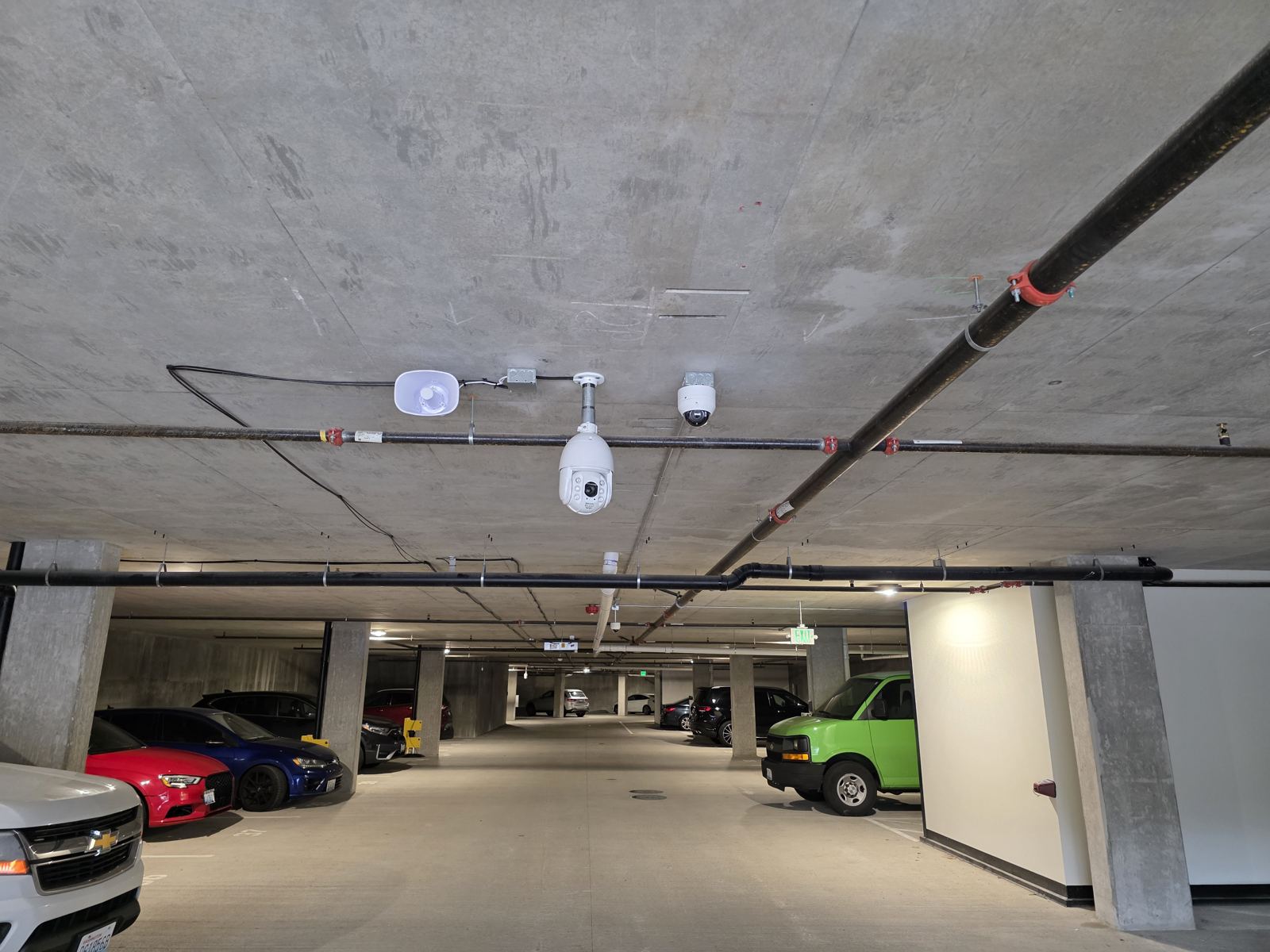
AI-enabled cameras do not replace employees, policies or law enforcement. Their value is helping teams find useful events faster. Depending on the platform, supported analytics can distinguish people and vehicles, trigger events in defined areas, accelerate recorded-video search and support license-plate or vehicle-focused applications when the right camera and positioning are used.
That can reduce the time a manager spends scrubbing through hours of video after an incident. It can also improve after-hours awareness when events are configured around protected areas.
Access control adds accountability cameras cannot provide alone
A camera can show someone entering a stock room. Access control can add a credential record, time stamp and door event. A door contact can confirm whether the door opened and whether it remained open. When those layers are used together, a business has a more complete operational record.
Focus on potential loss, not camera count
The right question is not “How many cameras can we install?” It is “Where could one successful incident cost us the most?” Security design should prioritize high-value merchandise, critical doors, blind spots, inventory movement and after-hours exposure before adding devices simply to increase camera count.
Questions businesses ask
Is organized retail theft the same as ordinary shoplifting?
No. Organized retail theft generally involves coordinated or repeat theft for resale or trade, often across multiple locations or jurisdictions.
What products are commonly targeted in Arizona cases?
Recent Arizona and Maricopa County cases have involved cosmetics, power tools, hardware, sporting goods and other high-value merchandise.
Can AI cameras stop organized retail theft?
No system can guarantee prevention. AI-enabled surveillance can improve event detection, investigation speed, evidence quality and deterrence when designed correctly.
Should retailers combine cameras with access control?
Often yes, especially around stock rooms, receiving, offices and employee-only areas where individual credentials and door events add accountability.
Sources
We use current government, law-enforcement and industry sources for the factual claims in this article.
- FBI — 2025 crime data and national property-crime decline
- National Retail Federation — The Impact of Retail Theft & Violence 2026
- Arizona Attorney General — $10 million organized retail theft enterprise
- Arizona Attorney General — $140,000 Walmart organized retail theft enterprise
- Phoenix Police — Organized Retail Crime Detail
- Maricopa County Attorney — Organized Retail Crime resources and recent cases
- Maricopa County Attorney — Power tool theft case
Next step: See our Phoenix Metro Asset Protection & AI Camera Analytics services or request a commercial threat assessment.